

Minidoka County
IDGenWeb

This reminiscence was written in response to a 1981 school assignment of
Agnes' great-granddaughter. Agnes would have been about 14, making this memory
from about 1906. --Linda Houlroyd, granddaughter.
My name is Agnes Regina
Wiedenman, 89 years. Born in 1892, Superior, Wis. I started to school in N. Dak.
and went to British Columbia, Spokane W. and the times I remember more clearly
were in Heyburn, Ida. when I was in the eighth grade. The school was the first
in that community and attended by the children of the first settlers of that
region. The grade school building was quite large having three large rooms. It
was furnished with handmade benches and desks made by some of the farm men.
Heated with wood and coal burning stoves. There were three teachers, teaching
mixed grades up to Jr. High.
Jr. High building was located near and just
taught two grades, 9-10. No hot lunches! We carried our lunches. We spent the
day at the school and school grounds, 9-4. I liked the eighth grade best as I
had a very nice teacher, Lesle Fleisher. She was always pleasant and jolly.
Entertaining us with stories and reading books in spare time. In Jr. High we
girls had basketball and the boys had baseball. Jr. High was more interesting
with sports and more subjects added.
The hardest thing I had to do
wasn't at school but the process of getting there. Most students rode horses or
drove light riggs drawn by horses. Parents had to furnish transportation to and
from school. I road a pony and when I arrived at school, I had to remove the
saddle and bridle and tie him up to a manger in the barn. The barn was located
behind the school house and contained hay and grain for the horses. After eating
my lunch at noon, I would have to go out, regardless of the weather and feed and
water my pony. After school I would saddle up, tie my books on and ride home.
Ice skating was popular in the winter. My father told me never to go skating
on the river. We would take our skates to school and skate on some ponds near by
at noon. One day someone said, "Let's go down to the river." The river was about
two blocks from the school. Well, a bunch of us went. We were having fun when
all of a sudden someone yelled, "Help!" A girl my age had fallen through a place
in the ice (an air hold) and was trying to get out but kept slipping back. A big
boy lay down on the ice a short distance from the girl and another boy laid down
grasping the big boy's foot. The first boy caught hold of the girl's hand and
the tow pulled slipping and sliding they finally got her on solid ice. Every one
who was wet rushed to the school and soon were dried out. Skating wasn't very
popular for a while. Vera could have drowned! Then I thought about what my
father had said, "Don't go to the river to skate." I had disobeyed! He forbid me
to take my skates to school after hearing about Vera's narrow escape.
My
advice to young people of today is to go to school and college. Try for the best
grades and spend your time with your books not wasting time running around.
Education is cheap and easily acquired and needed today and in the future.
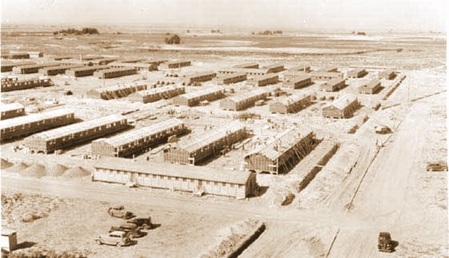 Located in Jerome County, a total of 13,078 detainees were processed through this camp
Opened 10 Aug 1942 - Closed 28 Oct 1945
Detainees came from:
Washington - Seattle and Pierce County
Oregon - Portland and Northwest Oregon
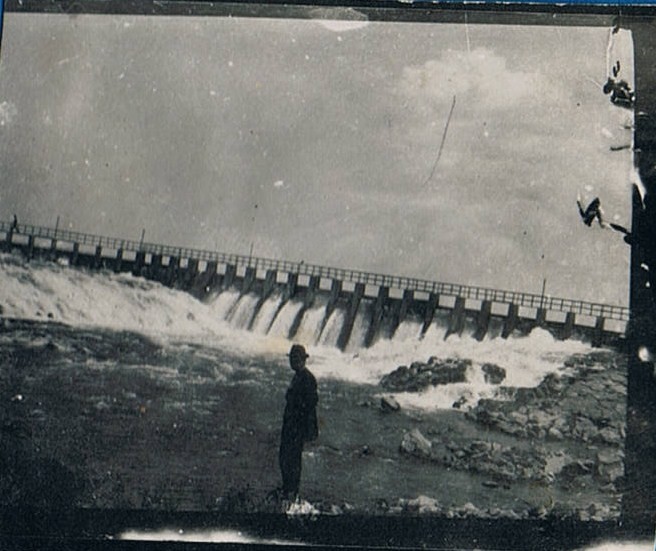 There is a drop in the Snake River of a few feet about two miles above Storey
Ferry, the crossing of the river on the old road between Minidoka and Albion
called Minidoka Falls. This point presented an ideal place for the construction
of a dam across the Snake River, which would be the starting point of a canal to
irrigate lands below it on the north side of the river, and could be used for a
pumping plant for lands on the south side of the river. The Government in 1904,
through the secretary of the interior, authorized the Minidoka Reclamation
Project to be constructed at that point, and work was shortly after commenced.
There is a drop in the Snake River of a few feet about two miles above Storey
Ferry, the crossing of the river on the old road between Minidoka and Albion
called Minidoka Falls. This point presented an ideal place for the construction
of a dam across the Snake River, which would be the starting point of a canal to
irrigate lands below it on the north side of the river, and could be used for a
pumping plant for lands on the south side of the river. The Government in 1904,
through the secretary of the interior, authorized the Minidoka Reclamation
Project to be constructed at that point, and work was shortly after commenced.
On the north side of the river, there extended from this point in all
directions a large area of arable lands, 120,000 acres of which could be watered
from the contemplated canal, and the remaining portion of which would require a
canal from the vicinity of American Falls, in order to fully cover it.
At
a cost of $6,000,000, the Government constructed the dam across the river at the
falls, built the canal on the north side of the river and put under irrigation
through a gravity system the 120,000 acres lying below such dam, the canal
having been finished over ten years ago, and nearly the entire area covered by
it being now under cultivation.
Situate on the north Minidoka tracts, are
the prosperous towns of Rupert, Paul, and Heyburn. A portion of this land so
watered lies very flat, and required not only an irrigation system, but a
drainage system as well, which has been finished by the Government, and there is
no more successful farming area in all the state than is contained in this
project.
On the south side of the river, conditions are different. Goose
Creek runs more than thirty miles through a beautiful valley commencing at the
Town of Oakley and extending to Burley. This valley becomes merged to a great
extent in the great Snake River Valley before the Snake River is reached. Most
of the arable land situated in this expanse cannot be watered by a gravity
system from the Minidoka Dam, but the water supply at that point was sufficient
to irrigate the 90,000 acres that could be readily covered, and in order to
accomplish this result a powerful pumping plant was installed. Three different
lifts were made in order to water the land at various stages of elevation. The
entire tract is now under successful irrigation, and has proved itself to be one
of the most fertile tracts in the Northwest, and become the center of a
prosperous, thriving population.
The Town of Burley, the county seat of
Cassia County, is the principal town of this tract and is the largest center of
population between Pocatello and Twin Falls.
--Extracted from 1920 History of Idaho: The Gem of the Mountains by James Hawley, volume 1, page 449
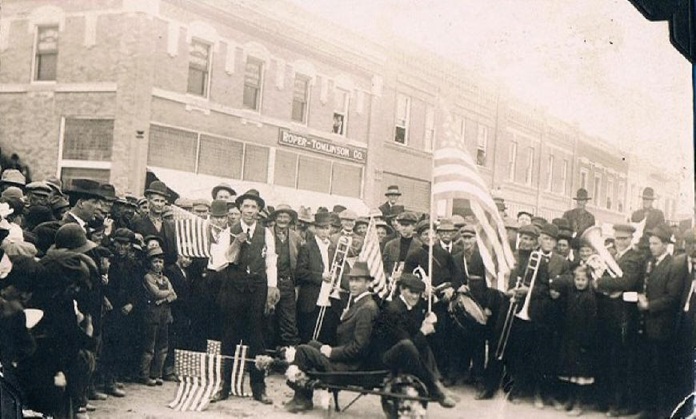
Rupert Won County Seat
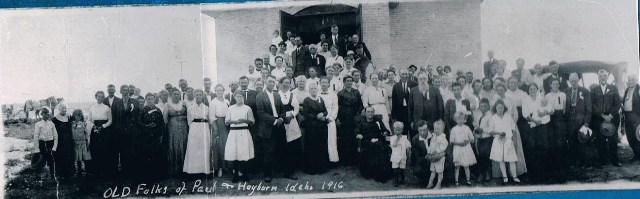
Paul and Heyburn Folks 1916
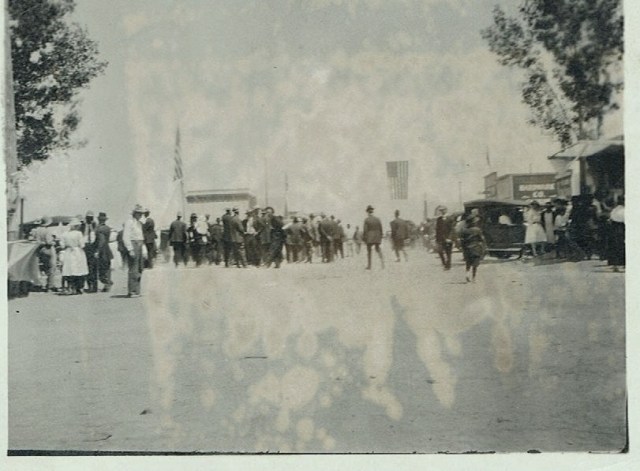
Paul 14 Jun 1917
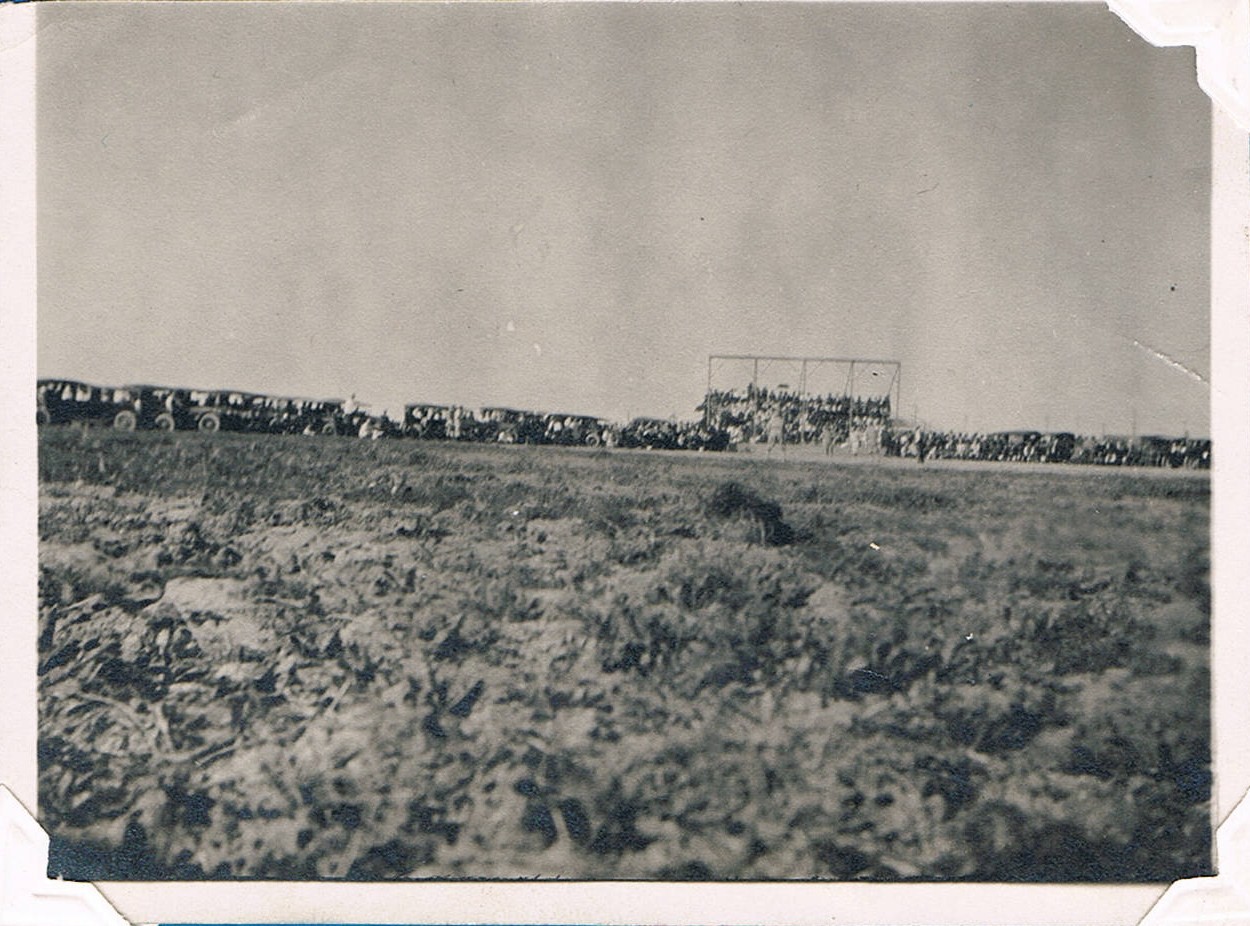
Baseball Game - Paul
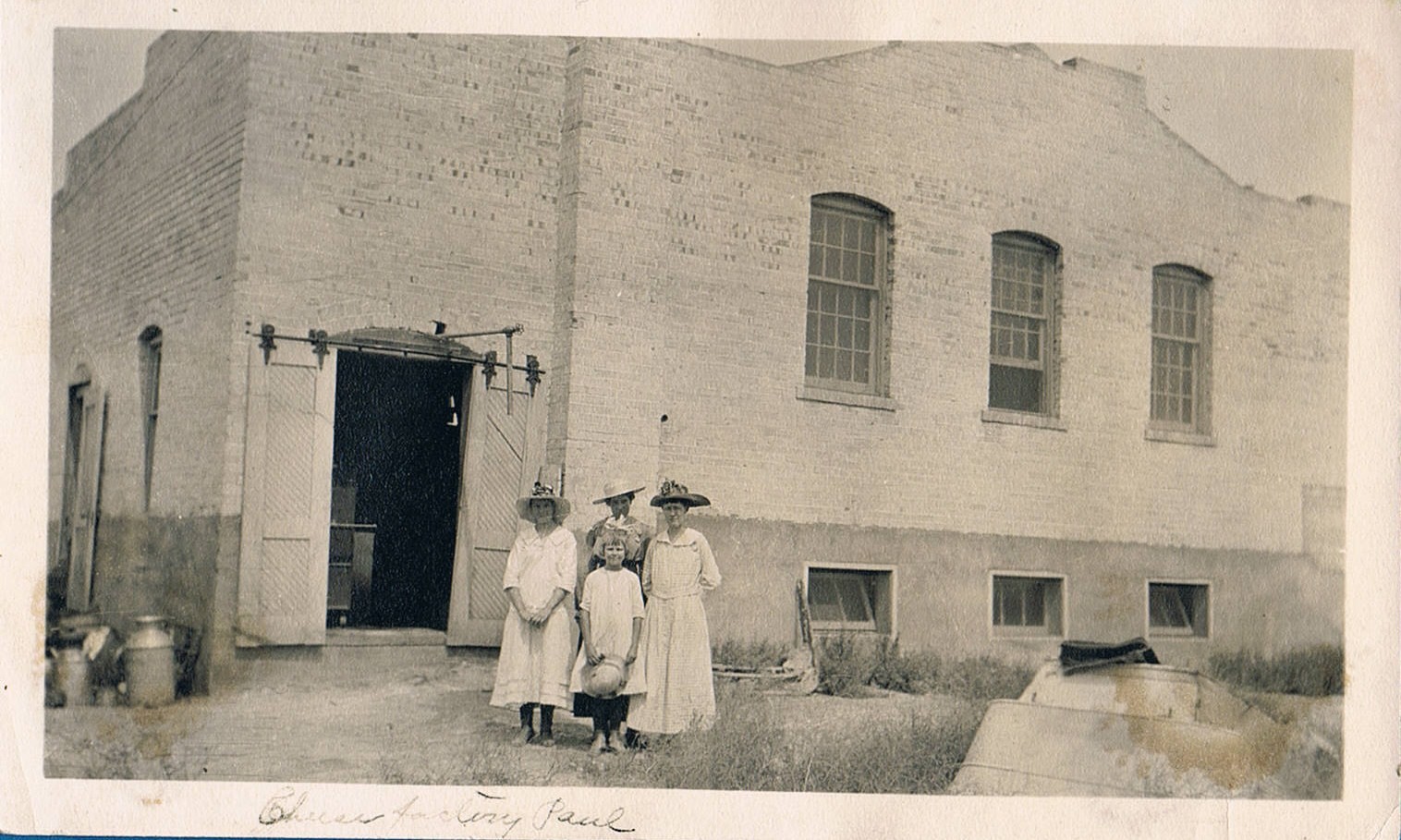
Cheese Factory - Paul
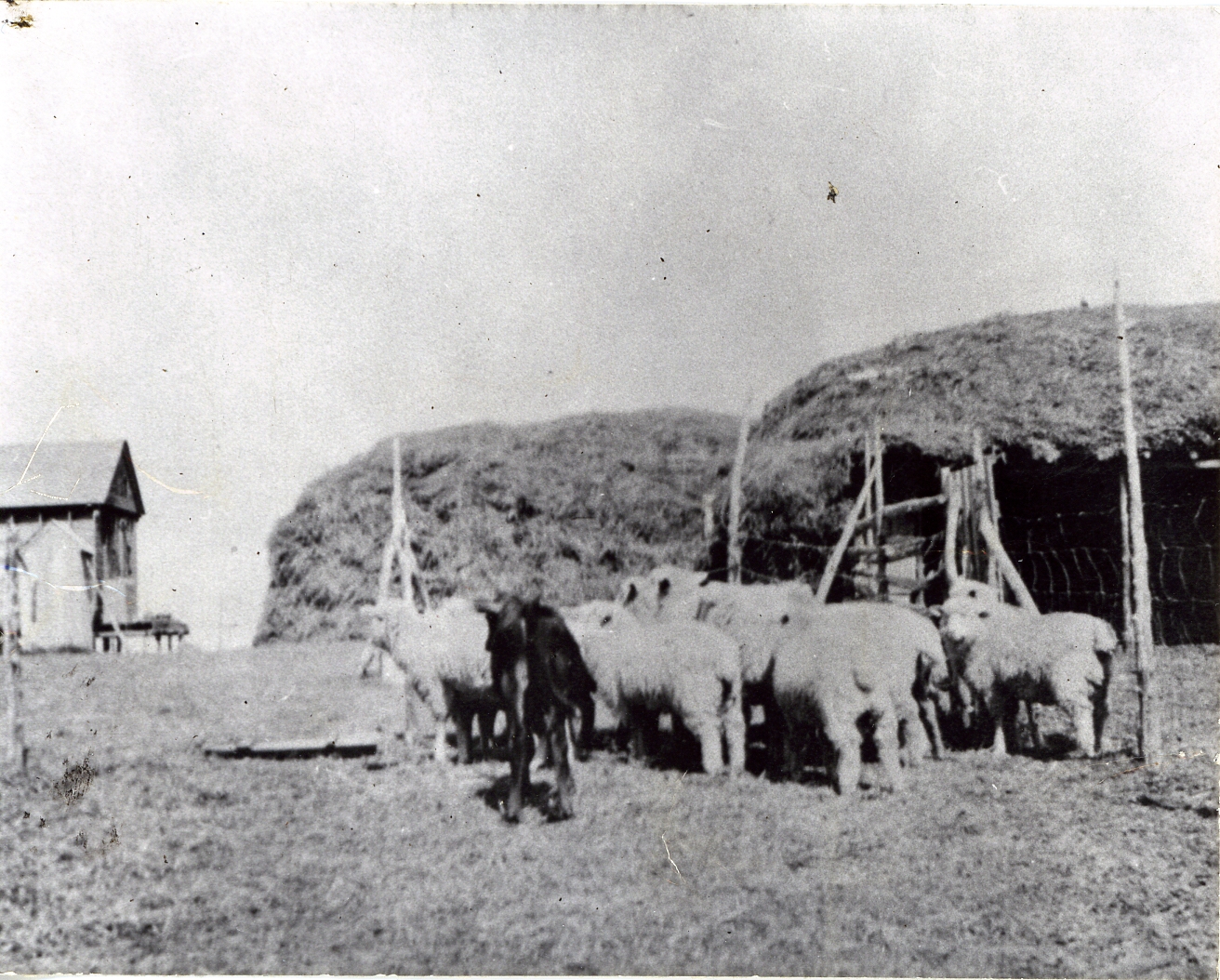
Hellewell Farm - Paul
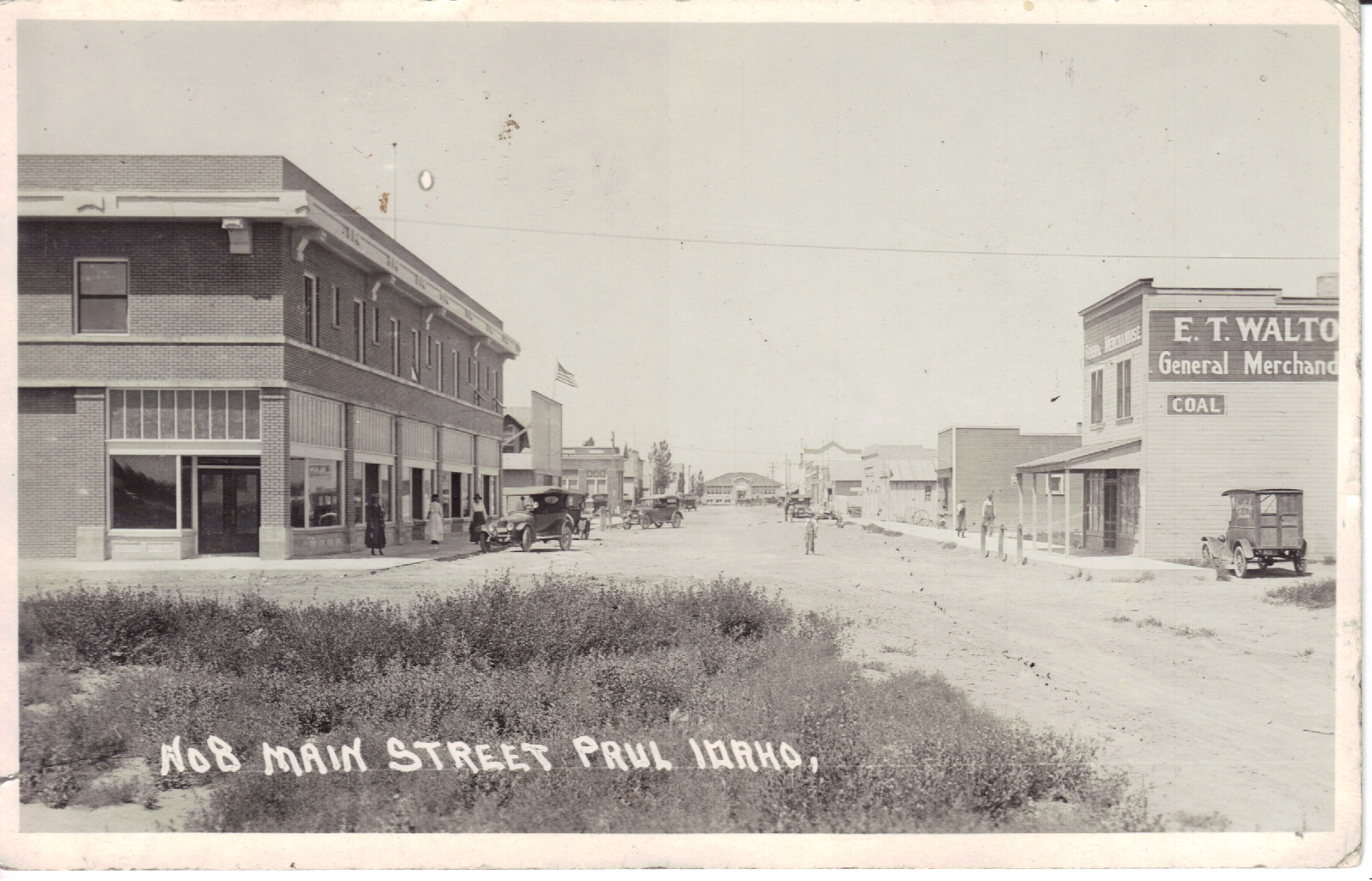
Main Street - Paul
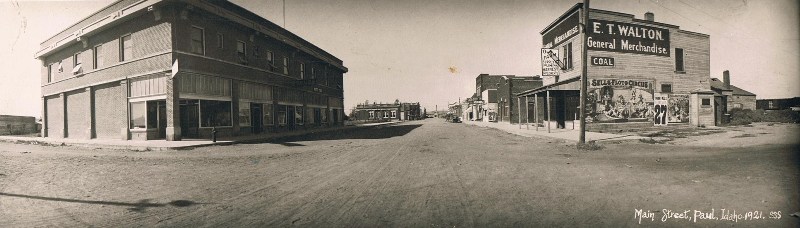
Main Street - Paul 1921
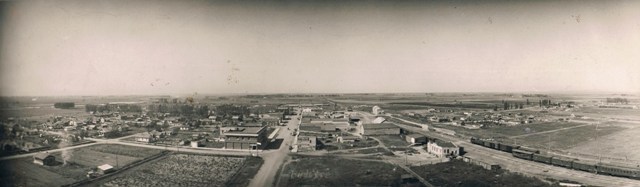
Paul 1921
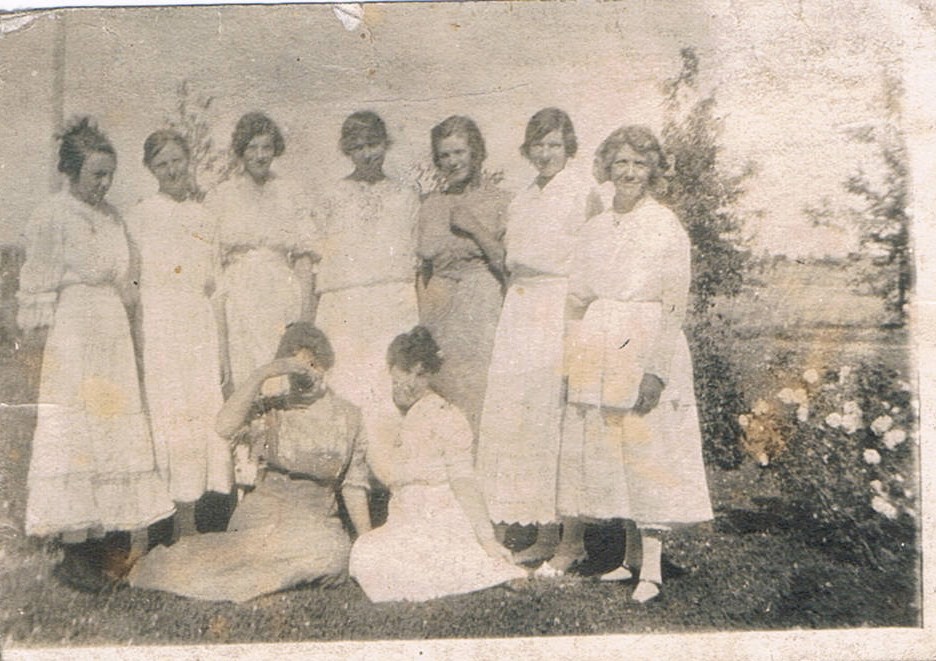
Mutual May 1921 - Paul
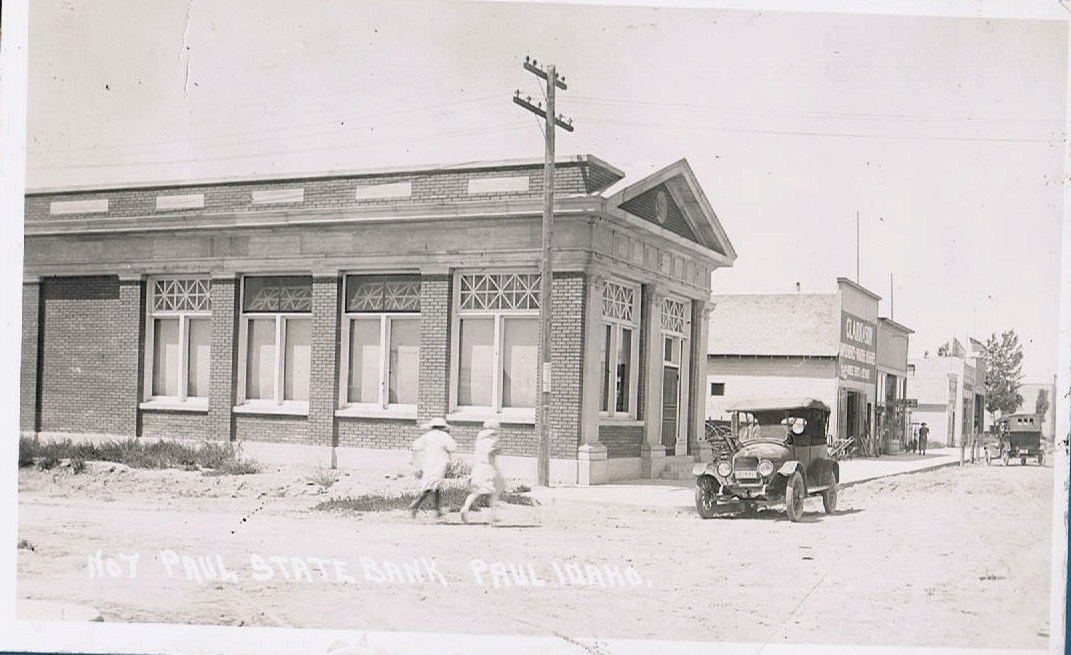
State Bank - Paul
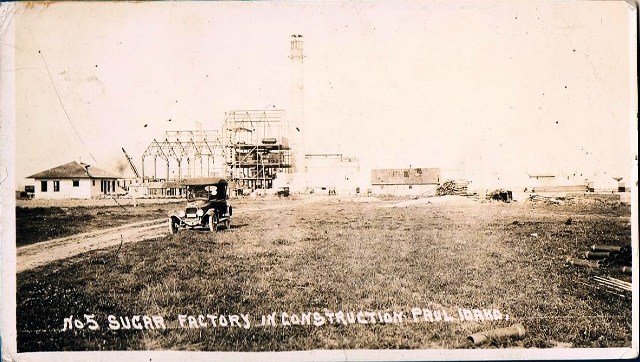
Sugar Factory Construction - Paul
Copyright © 1996- The USGenWeb® Project, IDGenWeb, Minidoka County

This page was last updated
07/22/2026